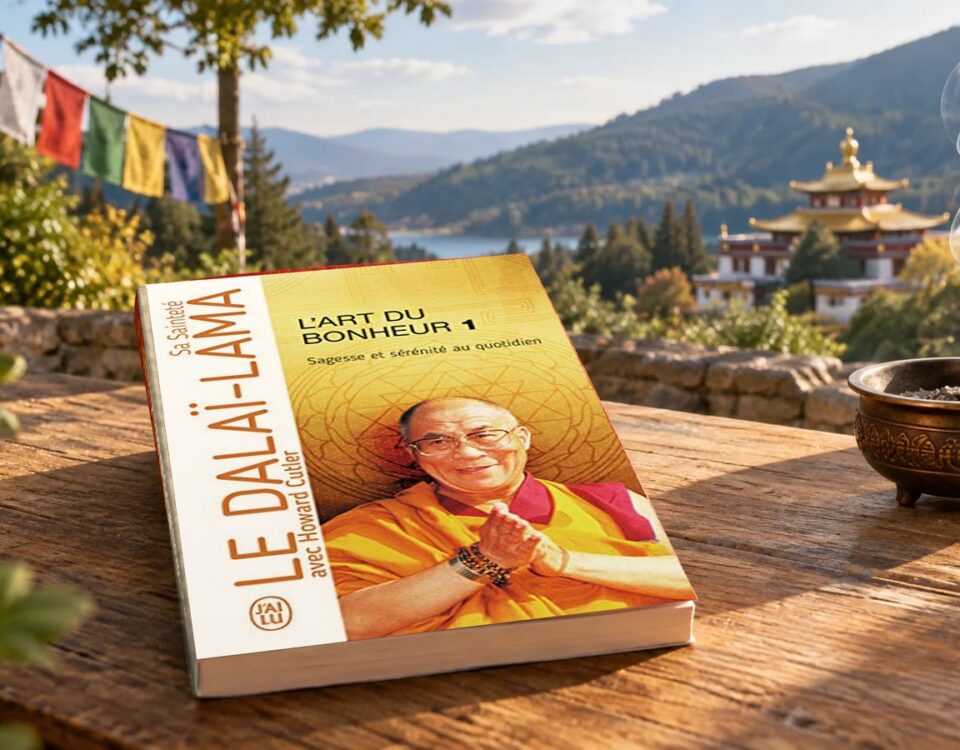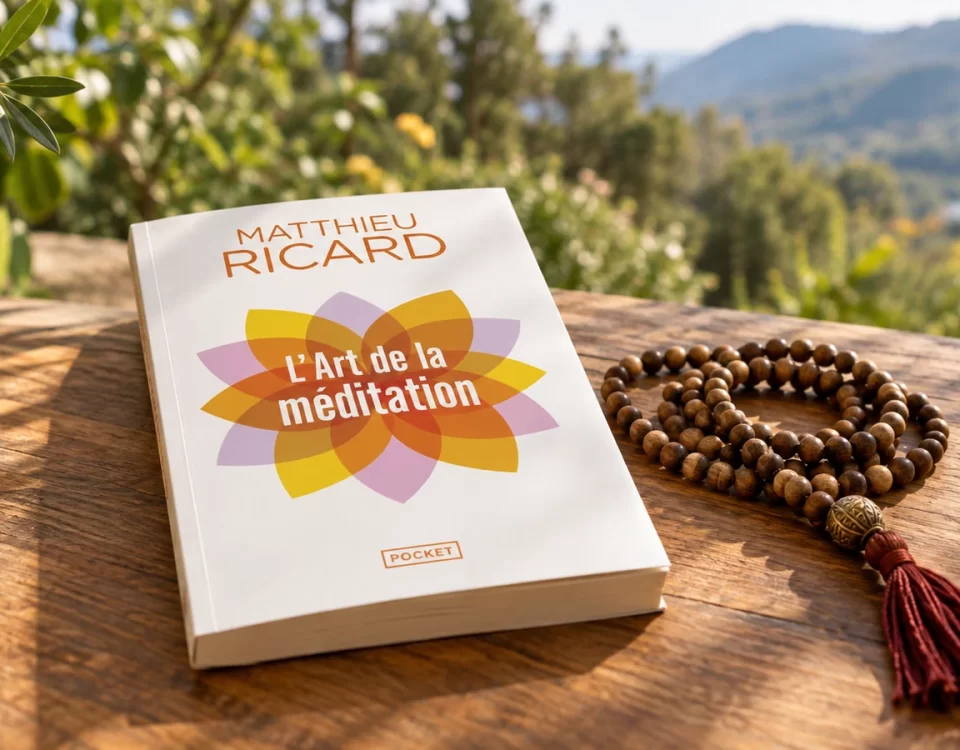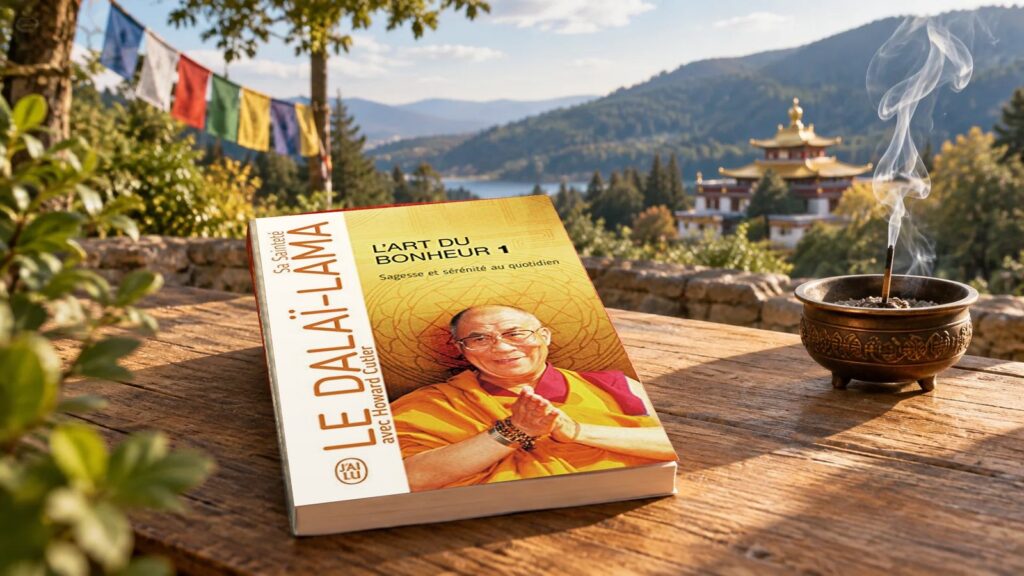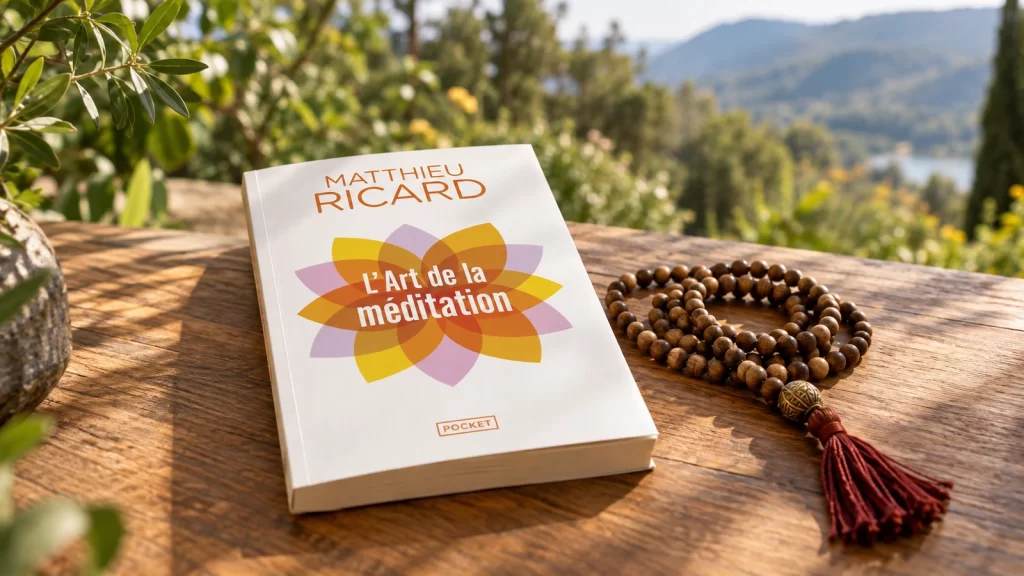


The Art of Happiness: wisdom for everyday life
September 17, 2026
History of the temple of Lerab Ling
September 17, 2026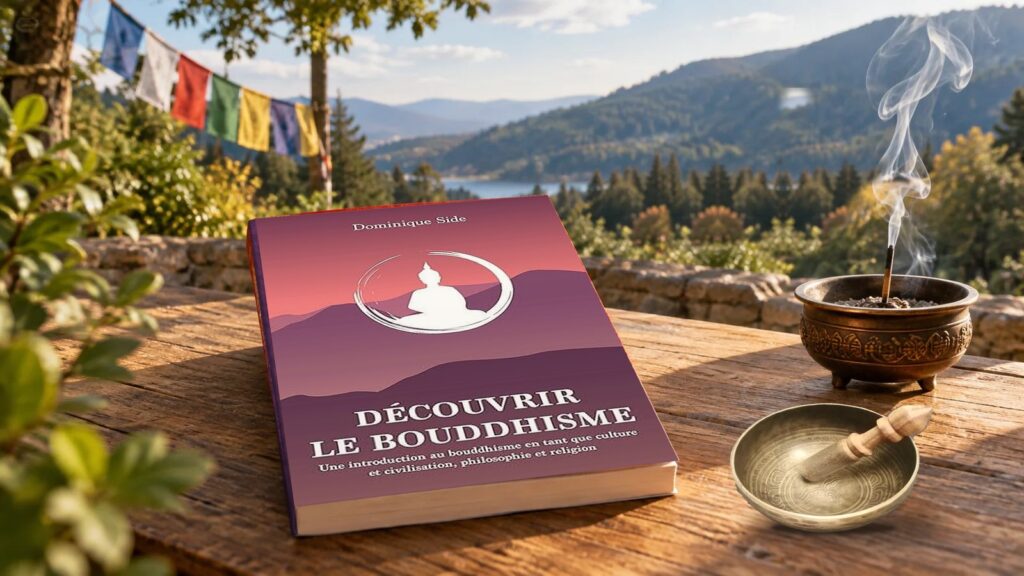
Some books set out to explain a tradition in full; others aim above all to make it approachable. Discovering Buddhism belongs to the second kind. Its very title announces a simple intention: to offer clear access to a world often seen as vast, complex or remote.
A world that attracts as much as it intimidates
For many, Buddhism attracts as much as it intimidates. A few words come through: meditation, compassion, karma, wisdom. But how they fit together, or what view of existence they point to, is not always clear. An introductory book therefore carries a particular responsibility: it must illuminate without oversimplifying, pass on without fixing in place, open a path without claiming to contain everything. That is precisely what gives a book like this one its value.
A book of discovery matters because it answers a very concrete question: where do I begin? Before going deeper into a teaching, attending a retreat or committing to a regular practice, many people need a first bearing. They are looking for plain language, an overview, a way of understanding the main foundations without getting lost in detail. That is where this kind of book finds its rightful place.
Neither abstract philosophy nor wellbeing method
In contemporary representations, Buddhism is often reduced either to an abstract philosophy or to a method for wellbeing. It is a great deal more: a living tradition, a path of inner transformation, a way of looking at human experience with clarity and compassion. A good introduction is precisely what allows one to step past these shortcuts. It recalls that meditation is not only a technique, but that it belongs within a wider understanding of the mind, of suffering, and of the possibility of awakening.
In the spirit of such a discovery, several dimensions become essential. Understanding the figure of the Buddha, not as a distant symbol, but as the expression of a human possibility. Approaching the broad lines of the teaching, not as concepts to memorise, but as bearings for questioning one’s own life. Beginning to see that Buddhism does not ask for blind belief, but for observing, experimenting, verifying for oneself.
The function of a threshold
What makes this kind of book particularly valuable is its function as a threshold. It does not claim to replace deeper study, nor the direct experience of practice, but it prepares the ground. It helps one take a first step. It can clear away certain received ideas, ease certain fears, and above all allow each person to enter into relationship with the teaching at their own pace.
A first footing, at Lerab Ling
At Lerab Ling, where people arrive from very different backgrounds, a book like Discovering Buddhism can play an important part. It accompanies those who wish to understand better what they encounter: the practices, the symbols, the texts, the spirit of the teachings. It offers a first footing, a way of not remaining at the surface.
Awakening the wish to go further
But beyond its teaching role, an introductory book can have a subtler quality: that of awakening the wish to go further. A sentence, an idea, a fresh understanding can open an unexpected inner space. One no longer reads simply to know; one reads because a question has begun to take up residence.
Discovering Buddhism, in the end, is not only meeting a tradition. It may be beginning to look differently at the mind, at suffering, at our bond with others and at the meaning of a life. When a book can open that with simplicity and accuracy, it becomes more than an introduction: it becomes a true way in.